
The recent tragic killing of a young commuter inside a Mumbai local train has left the city shocked and saddened. For millions of Mumbaikars, the local train is more than just a mode of transport it is a lifeline that connects homes, workplaces, schools, and dreams. Every day, people from different backgrounds travel together in crowded coaches, sharing space with strangers who soon become familiar faces. In the daily hustle of the local whether it is the fast local, slow local, or the usual “dabba full” rush the incident is a painful reminder that while Mumbai’s trains are known for their resilience and efficiency, personal safety should never be taken for granted.
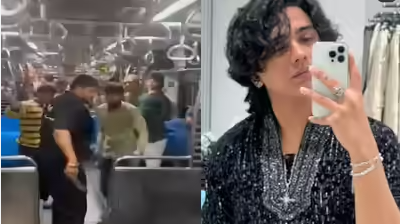
Crowded trains, long working hours, and the pressure of daily life often create situations where tempers flare over seemingly small issues. Arguments about standing space, blocking the doorway, boarding before passengers have exited, loud conversations, or accidental pushing are common. Most disagreements end with a few harsh words like “bhai, thoda side ho” or “arre, dhakka mat de,” but occasionally they escalate. The recent tragedy demonstrates how quickly an ordinary dispute can turn into an irreversible loss when emotions take over in the middle of the local ka scene.
For daily commuters, the first lesson is simple: no argument is worth risking your life. Whether someone cuts the queue, refuses to move, or behaves rudely, stepping away from confrontation is often the wisest decision. Walking to another section of the coach, shifting near the window, or choosing to ignore provocation is not a sign of weakness it is an act of self-preservation. In Mumbai train language, sometimes the smartest move is just “chhod na yaar” and move on.
Situational awareness is equally important. While using headphones or looking at mobile phones during the journey has become routine, remaining aware of your surroundings can help you identify unusual behaviour early. If a passenger appears aggressive, intoxicated, or is threatening others, avoid direct confrontation. Instead, alert fellow passengers, the Railway Protection Force (RPF), the Government Railway Police (GRP), or railway authorities at the next station. A quick “bhidu, zara dekhna” to nearby commuters can sometimes help draw attention before things get worse.
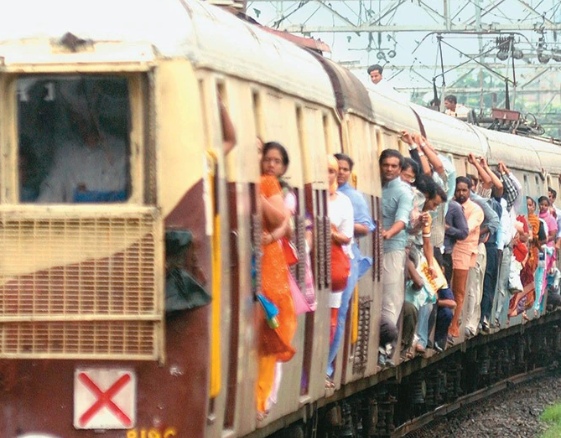
Commuters also have a shared responsibility to create a safer travel environment. Mumbai’s local trains have always reflected the city’s spirit of helping one another. Offering assistance to elderly passengers, supporting women, guiding first-time travellers, and discouraging aggressive behaviour through calm collective intervention can prevent many situations from escalating. However, intervention should always prioritize personal safety. If someone is carrying a weapon or acting violently, maintaining distance and immediately informing the authorities is the safest course of action. In a packed coach, heroics are not always the answer; sometimes the best response is to stay alert, keep calm, and call for help.
Technology can also play a significant role in improving commuter safety. Passengers should familiarize themselves with railway emergency helplines and know how to contact the RPF or GRP when needed. Reporting suspicious activities promptly allows authorities to respond faster. Even seemingly minor observations an unusual bag, a threatening gesture, or a passenger behaving strangely—can prove valuable in preventing larger incidents. In a city where everyone is always in a rush to “train pakadni hai,” a few seconds spent reporting something unusual can save a life.
The tragedy has also highlighted the need for stronger security measures across Mumbai’s suburban railway network. Increased surveillance, better deployment of security personnel, enhanced patrolling during peak hours, and more effective screening at stations can contribute to safer journeys. At the same time, commuters should support these measures with patience and cooperation, recognizing that a few extra minutes spent on security can help protect thousands of lives. A little patience at the station is better than regret later on the platform or inside the coach.
Equally important is the need for emotional self-control. Modern urban life places enormous stress on individuals. Fatigue, anxiety, financial pressures, and overcrowding can make people react impulsively. Developing the habit of staying calm, avoiding verbal abuse, and choosing de-escalation over retaliation benefits not only individual commuters but everyone sharing the journey. In the local, where every minute feels like a race and every coach is packed with bheed, keeping your cool is one of the most valuable habits a commuter can have.
Mumbai has always demonstrated extraordinary resilience in the face of adversity. The city’s local train network continues to carry millions safely every day, and this isolated but heartbreaking incident should strengthen not weaken our collective commitment to safe travel. Every commuter has a role to play by showing patience, respecting fellow passengers, and reporting threats responsibly. Whether you travel from Churchgate to Virar, CST to Kalyan, or anywhere in between, the same rule applies: travel smart, stay alert, and don’t let a small scene become a big tragedy.
As we remember the young life lost, the most meaningful tribute is not fear but awareness. A safer Mumbai local train begins with every passenger making conscious choices—choosing respect over anger, caution over confrontation, and humanity over hostility. In a city that never stops moving, these small decisions can make the difference between a routine journey and a tragedy that changes countless lives forever. So next time the coach feels too crowded, the door area gets tense, or someone starts creating unnecessary tamasha, remember this important message: raise an alarm immediately, alert fellow commuters, and if needed act together as a group to stop the situation from escalating.
For urgent help, call 112 for emergency assistance, 139 for railway-related support, 182 for railway security, and 1091 or 181 for women’s safety helplines. You can also approach the nearest GRP or RPF personnel at the station or on the platform.
A quick call can bring help faster and may prevent another life from being lost.
A 22-year-old commuter named Mayank Lohar was stabbed inside a first-class coach of a Churchgate-Nalasopara local train on June 23. The accused was tracked and arrested within 15 hours after police analysed CCTV footage and used facial recognition technology, and legal action had been initiated against him. In response, the Maharashtra government has announced plans to expand CCTV coverage and step up police patrolling across Mumbai’s suburban railway network.