
India’s latest youth protest movement has drawn attention to examination integrity, protest restrictions and the response of authorities in Delhi.
The Cockroach Janata Party (CJP), which began as a satirical youth-led campaign, has become the organising force behind a growing agitation over alleged irregularities in competitive examinations, including the NEET controversy. Its stated demands include the resignation of Union Education Minister Dharmendra Pradhan and wider reforms to the examination system.
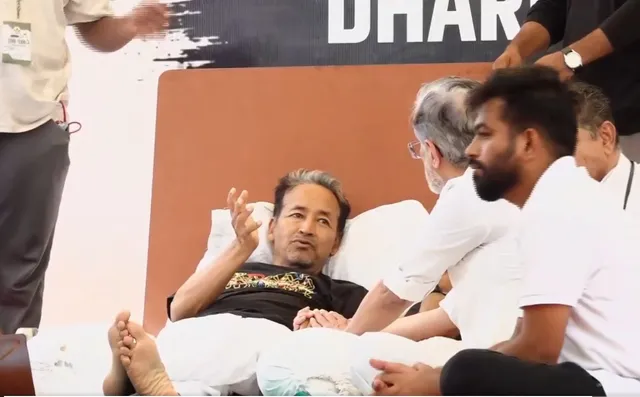
The movement gained wider attention when education reformer and activist Sonam Wangchuk joined the protest and began an indefinite hunger strike. After weeks of fasting, Wangchuk was taken to Safdarjung Hospital. His supporters and the authorities gave different accounts of the move, with the authorities citing health and safety concerns.
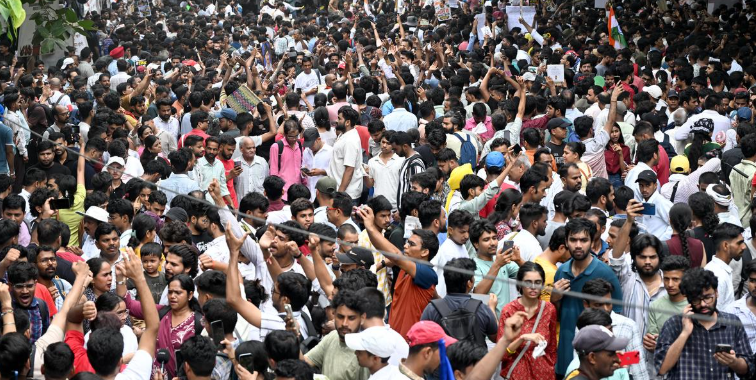
The proposed march was planned for Parliament on the opening day of the Monsoon Session. Delhi authorities reportedly prohibited unauthorised assemblies and marches in the New Delhi district, while the protesters said they intended to carry out a peaceful march.
The CJP protest has also focused attention on the issue of examination integrity. Competitive examinations in India determine access to professional education and public employment, and the movement has raised concerns about alleged leaks and irregularities in the system.
The demand for ministerial resignation has been part of the protest’s public messaging. Alongside that demand, the movement has called for changes in examination procedures and safeguards.
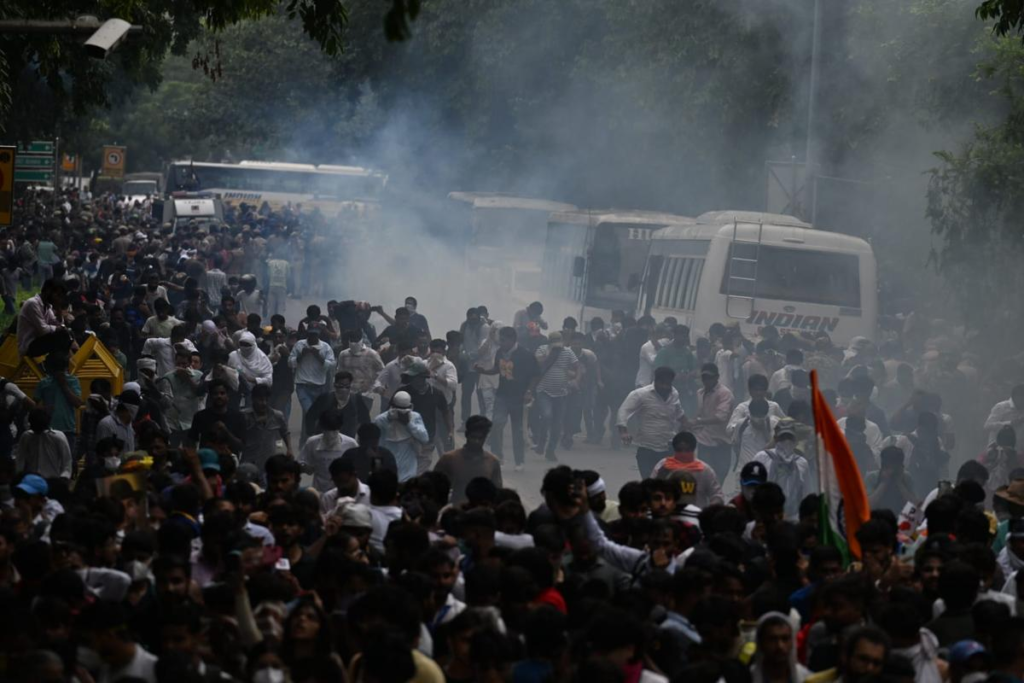
On July 20, reports said large numbers of protesters attempted to march towards Parliament, and police intervened. Accounts from the scene said baton charges and tear gas were used as the crowd moved towards barricades.
The protest has continued to draw attention to the concerns raised by students and organisers, as well as to the restrictions placed on demonstrations in central Delhi.
For the government, the challenge is to address the substantive grievance rather than allow the debate to be defined solely by clashes, barricades and political confrontation. For the protesters, the challenge is to maintain the credibility of their movement through peaceful and lawful action.
The CJP protest may eventually fade from the headlines. The questions it has raised, however, are unlikely to disappear so easily. In a country where examinations can determine a person’s education, career and social mobility, public trust in the process is not a minor administrative matter. It is a matter of fairness.
And when that trust begins to erode, the State cannot expect silence simply because the questions are being asked loudly.