
Legal Issues and Contemporary Challenges
Children constitute the most vulnerable segment of society and require special legal protection to ensure their survival, dignity, and development. Over the past several decades, the global community has increasingly recognized the importance of safeguarding children’s rights through national legislation and international legal frameworks. The most prominent among these is the United Nations Convention on the Rights of the Child (UNCRC), adopted in 1989, which affirms that every child is entitled to four fundamental rights: survival, protection, development, and participation. Despite these commitments, the realization of children’s rights continues to face significant legal and social challenges in many developing nations, including India.
India presents a complex landscape in the context of children’s rights. With a population exceeding 1.2 billion people, nearly 472 million individuals are below the age of eighteen, accounting for approximately 39 percent of the country’s total population. A significant proportion—around 29 percent—falls within the 0–6 age group. Moreover, nearly 73 percent of Indian children reside in rural areas where access to basic services such as healthcare, nutrition, education, and social protection remains limited. These demographic realities make the protection and promotion of children’s rights both a moral necessity and a policy priority.
The Indian Constitution provides a broad framework for the protection of children’s rights. Several provisions—including the right to life, equality, education, and protection from exploitation—directly or indirectly address the welfare of children. In addition, the Commission for Protection of Child Rights Act, 2005 established institutional mechanisms to ensure that national laws, policies, and administrative systems align with the principles of child rights as embodied in the Constitution and international commitments such as the UNCRC. Despite these initiatives, the implementation gap remains substantial, particularly in rural and marginalized communities.
One of the foremost indicators of children’s rights is access to adequate healthcare and nutrition. India continues to confront serious challenges in this domain. Although progress has been made in reducing child mortality, nearly one million children still die before reaching the age of five, with mortality rates estimated at about 39 deaths per 1,000 live births. Maternal and neonatal healthcare services remain unevenly distributed, particularly in rural regions where only a limited proportion of births are attended by trained health professionals.
Malnutrition further aggravates the vulnerability of Indian children. The country has one of the highest numbers of undernourished people globally, and children are disproportionately affected. Nearly 39 percent of Indian children suffer from stunting, a condition reflecting chronic undernutrition that severely impairs physical and cognitive development. In response, the government has launched nutritional awareness campaigns and expanded maternal and child welfare programmes, yet significant disparities persist between urban and rural populations.
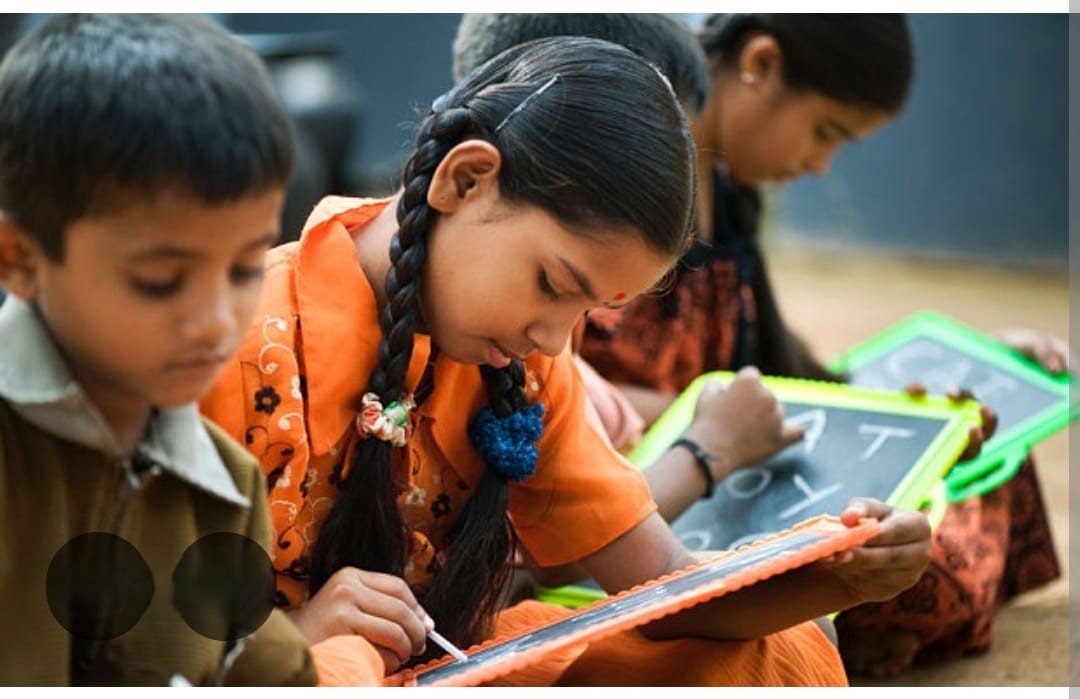
The right to education constitutes another critical pillar in the realization of children’s rights. Despite constitutional guarantees and legislative measures such as the Right of Children to Free and Compulsory Education Act, access to quality education remains uneven across the country. India still has one of the largest populations of illiterate adults in the world—approximately 287 million. While literacy rates have improved over the past decades, population growth has offset some of these gains.
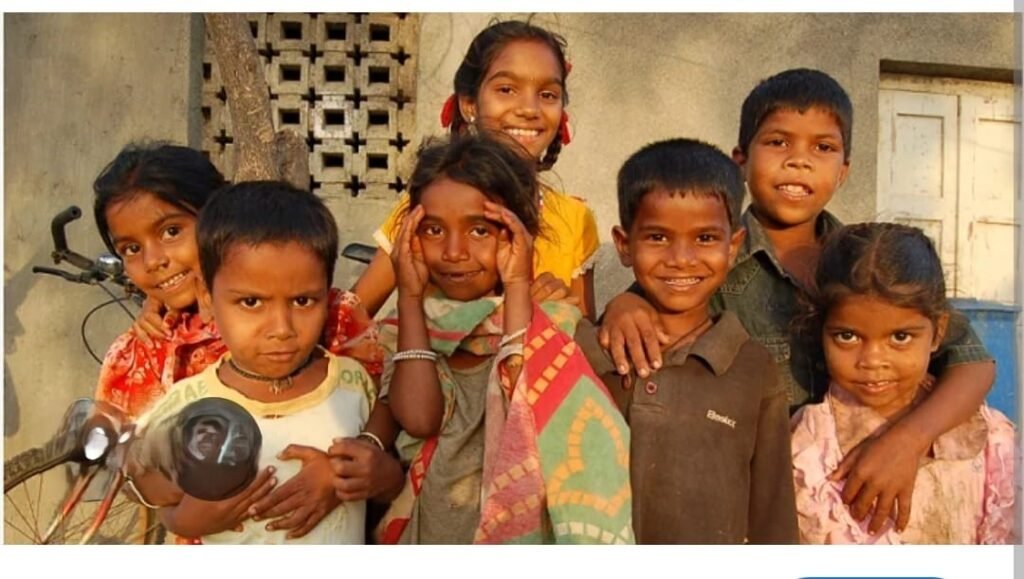
Economic disparities between states further complicate the educational landscape. Wealthier states are able to allocate significantly higher financial resources to education compared to poorer regions. For instance, some states spend several times more per student than economically weaker states. This imbalance results in unequal educational infrastructure, teacher availability, and learning outcomes. Social factors such as caste discrimination and gender inequality also continue to obstruct educational access for millions of children, particularly girls and those belonging to marginalized communities.
Another grave concern relates to the right to life and dignity, particularly in the context of gender discrimination. Although the Constitution guarantees the right to life and personal liberty, certain cultural practices continue to undermine these protections. Female infanticide and sex-selective abortions have historically contributed to a distorted gender ratio in parts of India. Socio-economic pressures, including the dowry system and patriarchal preferences for male heirs, have been cited as major contributing factors. While legal prohibitions exist against sex-selective practices, effective enforcement remains a persistent challenge.
Protection from abuse, exploitation, and violence is another cornerstone of children’s rights. Numerous studies indicate that a significant proportion of children in India have experienced some form of abuse—whether physical, emotional, or sexual. Alarmingly, many incidents occur within environments where children should feel most secure, including homes and schools. Corporal punishment in educational institutions, although increasingly criticized and legally discouraged, still occurs in various forms.
Cultural norms often reinforce strict hierarchies within families and communities, leaving children with limited avenues to express grievances or assert their rights. Consequently, the concept of children’s participation—the right to express opinions and be heard in matters affecting them—remains relatively underdeveloped in legal discourse and policy implementation.
Closely related to issues of protection is the problem of child labour. Although Indian law prohibits the employment of children in hazardous occupations and regulates adolescent labour, millions of children continue to engage in economic activities that compromise their education and wellbeing. Children are frequently found working in informal sectors such as small-scale manufacturing, domestic labour, street vending, and agricultural work. Many are employed in tasks ranging from stitching garments and rolling tobacco products to assisting in construction or packaging industries.
Poverty, unemployment among adults, and limited access to quality education are among the principal drivers of child labour. When families struggle to meet basic subsistence needs, children often become supplementary earners. Although national policies and rehabilitation programmes have contributed to a gradual decline in child labour, progress remains slow, particularly in urban informal economies where regulatory oversight is weak.
Child sexual abuse represents another disturbing dimension of children’s rights violations. Evidence suggests that such abuse is far more widespread than official statistics indicate. Offenders frequently belong to the child’s immediate social circle, including relatives, neighbours, or authority figures. The psychological and physical consequences of such abuse can be profound, ranging from depression and anxiety to long-term behavioral and interpersonal difficulties. Legislative reforms, including the enactment of the Protection of Children from Sexual Offences (POCSO) Act, have strengthened the legal framework for addressing such crimes, yet social stigma and underreporting continue to impede effective enforcement.
Child marriage remains an additional challenge affecting millions of young girls across the country. Although the legal minimum age of marriage is eighteen for women and twenty-one for men, early marriages persist in several regions due to socio-cultural traditions, poverty, and limited educational opportunities. Girls who marry at an early age are significantly less likely to complete secondary education and often face early motherhood, health complications, and economic dependency.
Another critical but frequently overlooked dimension of children’s rights is the right to identity. Birth registration serves as a fundamental legal acknowledgment of a child’s existence and provides access to essential social services such as education, healthcare, and welfare benefits. However, a substantial proportion of births in India remain unregistered, particularly in rural areas where administrative infrastructure is limited. The absence of formal identity documents can render children effectively invisible in the eyes of the law and restrict their ability to claim rights and entitlements.
Poverty and inadequate access to clean water further compound these challenges. While urban populations generally benefit from relatively better water infrastructure, many rural communities continue to face shortages of safe drinking water and sanitation facilities. The resulting health risks disproportionately affect children, contributing to preventable diseases such as diarrheal infections that remain major causes of child mortality.
Despite these numerous challenges, it is important to acknowledge the considerable progress India has achieved in advancing children’s rights. Government initiatives, civil society organizations, and international agencies have collectively undertaken numerous programmes aimed at improving nutrition, expanding educational access, eliminating child labour, and strengthening child protection mechanisms. Partnerships with organizations such as UNICEF and various non-governmental institutions have also contributed to community-based initiatives, including child-friendly villages and rehabilitation programmes for former child labourers.
Nevertheless, the effective realization of children’s rights in India ultimately depends on sustained political commitment, stronger enforcement of existing laws, and a transformation in societal attitudes toward children. Legal frameworks alone cannot ensure justice unless they are supported by institutional accountability and public awareness. Families, educators, policymakers, and community leaders must collectively recognize children not merely as dependents but as individuals endowed with inherent rights and dignity.
In conclusion, while India has established an impressive constitutional and legislative structure for the protection of children, the true challenge lies in translating these principles into everyday reality. Addressing poverty, improving access to education and healthcare, eliminating exploitative labour practices, and ensuring protection from abuse are essential steps toward building a society where every child can grow in safety and dignity. The future of the nation, after all, rests upon the well-being and empowerment of its youngest citizens.
Retired Principal, Educational Columnist and Eminent Educationist
MHR Malout, Punjab