
By Savleen Kaur, Legal Intern at Singhania and Co. LLP.
Technology is transforming the world at breakneck speeds in the hyperconnected world of today, redefining economies, governance, and daily life. Artificial intelligence (AI), deepfakes, Over-the-Top (OTT) services, and social media are the focal points of this transformation. While these technologies have tremendous advantages, they also pose unparalleled cybersecurity threats. Regulators, regretfully, are falling behind. Archaic legislation, dispersed control, and after-the-fact tactics are falling short against actors that use every loophole for attack. Unless addressed, these loopholes will undermine not just privacy and personal security but also democratic governance and social trust.
The Regulatory Disconnect for Artificial Intelligence
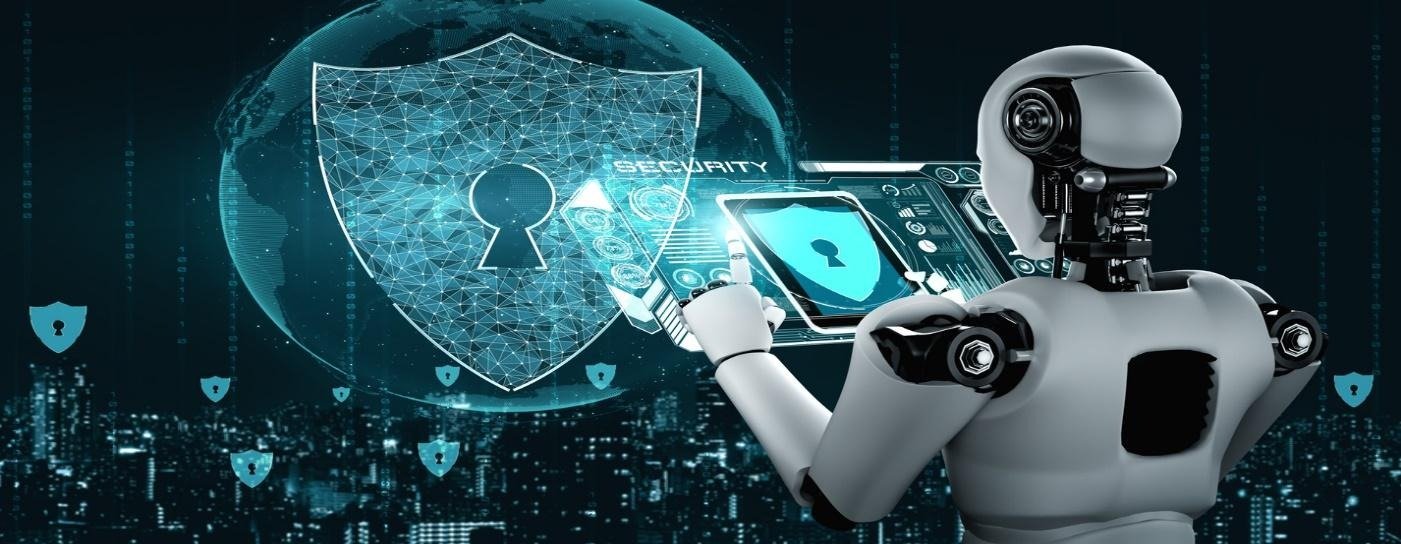
Artificial intelligence is both a potent defense and a menacing weapon. AI-based cybersecurity solutions are able to identify anomalies in real time, foretell attacks, and eliminate the threats before they make an impact. But these capabilities are now also being used by attackers as a weapon through adversarial attacks, data poisoning, and model theft.
“The law is running to catch up with a marathon runner,” says Dr. Terence Lau, an expert in cybersecurity. “Liability is a gray area—if an AI defense system is malfunctioning, who is liable: the software developer, deploying organization, or AI itself?”
India’s 2000 Information Technology Act, despite being technology-agnostic, was never envisioned for AI. It makes regulators fight to apply general principles of law to very technical harms. Across the world, a step in the right direction has been taken by the European Union’s AI Act, which brings a risk-based framework that classifies AI applications based on potential harm. But this is a lone effort without globally harmonized standards.
Adding to the challenge is the black box nature of next-generation AI systems. Their lack of transparency makes it virtually impossible for regulators to inspect models for bias, malign intent, or covert weaknesses. Without enforceable standards for transparency and explainability, liability is out of reach. As AI systems become increasingly self-directed, the consequences of these regulatory blind spots escalate exponentially.
The Deepfake Arms Race and Regulatory Deficiencies
Deepfakes—synthetic videos, images, and audio created by AI—have transitioned from novelty to national threat. They are no longer in the realm of entertainment but rather instruments of misinformation, scams, and harassment. In India, celebrity deepfake scandals have brought the risks into the limelight, but the threat is much larger than reputational damage. Political campaigns, financial crimes, and even diplomatic ties are now vulnerable to weaponized deepfakes.
All the same, regulatory measures are still patchy and reactive. The majority of nations depend on defamation laws or impersonation laws that are not adequate for viral content spread within minutes. “AI is a mirror,” comments cyber specialist Ravi Narayanan. “It shows us both our intelligence and our ability to deceive. Deepfakes take advantage of human trust, and without trust, society as a whole is compromised.
While countries such as China have enforced labeling for content produced with AI, there is no unified framework worldwide. Transnational criminals frequently avoid being caught by conducting their operations from jurisdictions with lax enforcement. A technology arms race rages on meanwhile: each breakthrough in detecting deepfakes is met with ever more advanced counterfeits.
Experts contend for an active strategy. Compulsory watermarking of AI, investment in forensic technology, and enhanced liability for platforms propagating malicious deepfakes might alter the dynamic. Absent these, regulators can become endlessly behind the curve in a war where the other side feeds on velocity and anonymity.
The Unregulated Environment of OTT Platforms
OTT platforms have revolutionized the way individuals access content, but they exist in a regulatory gray area. In comparison to traditional broadcasters and telecom companies, OTT platforms receive very little regulation. This leads to discrepancies in data protection, cybersecurity practices, and content regulation.
“These platforms aren’t streaming platforms; they are huge reservoirs of personal user information,” cautions Rakesh Sharma, an analyst at a cybersecurity firm. “Watching histories, payment details, and personal preferences build a treasure trove for cybercriminals.”
Cyber threats on OTT platforms go beyond content. Dependency upon third-party services for advertising, payments, and analytics inject several vulnerabilities. Poor authentication mechanisms and session management vulnerabilities open user accounts to hijacking, while mass data breaches continue to haunt the industry.
There is still patchy global regulation. The EU’s General Data Protection Regulation (GDPR) and the Audiovisual Media Services Directive (AVMSD) offer a cohesive framework, but in countries such as South Asia, oversight is limited. Provider costs are of concern, yet experts insist that security needs to be considered as an investment in user trust and not as an obstacle to innovation. Without robust, harmonized rules, consumers in the less-regulated markets continue to bear a disproportionate risk.
Social Media’s Regulatory Quagmire
No technologies have transformed human interaction as deeply as social media. But its cybersecurity threats are enormous and unregulated. Sites are prime vectors for phishing, scams, disinformation campaigns, and identity theft. The problem is not just their volume but also the black box nature of the algorithms that control them.
“Too slow,” warns Dr. Jane Doe, an expert in privacy law. “Social sites are focused on growth and interaction, not safety. Regimes in place are more suggestion than requirement.”
The most glaring omission is algorithmic accountability. Platforms are seldom clear about how they rank or feature content, presenting rich soil for disinformation. At the same time, vast volumes of user data are gathered and sold, making social media platforms profitable targets for cybercriminals. As Pentest People point out, “The more public data is posted, the easier it becomes for criminals to weaponize it.”
The international nature of social media exacerbates the problem. It is impossible for national laws to control platforms with billions of users in many jurisdictions effectively. The outcome is a patchwork of uneven protections in which malicious actors can easily exploit vulnerabilities.
The Path Forward: Proactive and Collaborative Action
Closing the AI, deepfakes, OTT, and social media cybersecurity gap calls for a change in regulation paradigm. Rather than playing catch-up, regulators need to adopt foresight, collaboration, and worldwide coordination. Experts identify five key priorities:
1. Integrated frameworks – Cybersecurity and AI regulation need to be integrated, with good rules of algorithmic transparency, responsibility for AI-based decisions, and precise liability frameworks in the event of damage.
2. International cooperation – Since cyber threats are borderless, nations need to harmonize standards, exchange intelligence, and align enforcement against cross-border offenders.
3. Mandatory safeguards – Introducing the watermarking of AI-produced content and expenditures on forensic detection technology should become mandatory. Platforms should be liable for not preventing the propagation of offensive content.
4.Platform responsibility – Tougher liability frameworks, quicker removal processes, and transparency requirements will reward platforms for prioritizing safety over metrics of engagement.
5.Digital literacy and awareness – Citizens need to be able to identify deepfakes, phishing scams, and impersonation. Public education is an important line of defense in minimizing the effects of these risks.
Tech commentator Tom Chatfield sums it up bluntly: “The future is arriving too fast for our slow-moving regulatory systems.” Without bold, forward-thinking regulation, threats become more than hypothetical. They’re realized as tainted elections, securities fraud, privacy invasions, and public distrust.
Conclusion
The digital revolution has left the laws intended to safeguard people from its sinister fallouts behind. AI, deepfakes, OTT platforms, and social media have opened up possibilities but put society at unrivalled risks. The current patchwork of old and response-driven laws falls short against the pace and technology of threats today.
The way forward is for governments, technology firms, and global institutions to act together. Active, harmonized regulations, in combination with technological protective measures and public awareness, can guarantee that innovation improves and does not threaten human security. With rising levels of cyber threats in terms of size and sophistication, this much is certain: the cost of doing nothing will be much higher than the cost of regulation.
References:
- https://www.pib.gov.in/PressReleasePage.aspx?PRID=2119050
- https://www.paloaltonetworks.com/cyberpedia/what-are-barriers-to-ai-adoption-in-cybersecurity#:~:text=GenAI%20security%20important?-,Prompt%20injection%20attacks,risks%2C%20threats%2C%20and%20challenges%20FAQs
- https://www.columbusglobal.com/insights/articles/ai-fighting-ai/#:~:text=Regular%20audits%20of%20AI%20performance,of%20AI%20in%20security%20operations.
- https://essert.io/challenges-and-opportunities-of-ai-in-government-cybersecurity/
- https://www.linkedin.com/pulse/cybersecurity-ai-tech-law-key-gaps-policy-challenges-dr-terence-lau-zuwmc/
- https://www.hp.com/in-en/shop/tech-takes/post/ai-data-security-guide
- https://economictimes.indiatimes.com/industry/media/entertainment/media/parliamentary-panel-seeks-tougher-rules-for-deepfakes-ott-platforms-and-social-media/articleshow/123598568.cms?from=mdr