

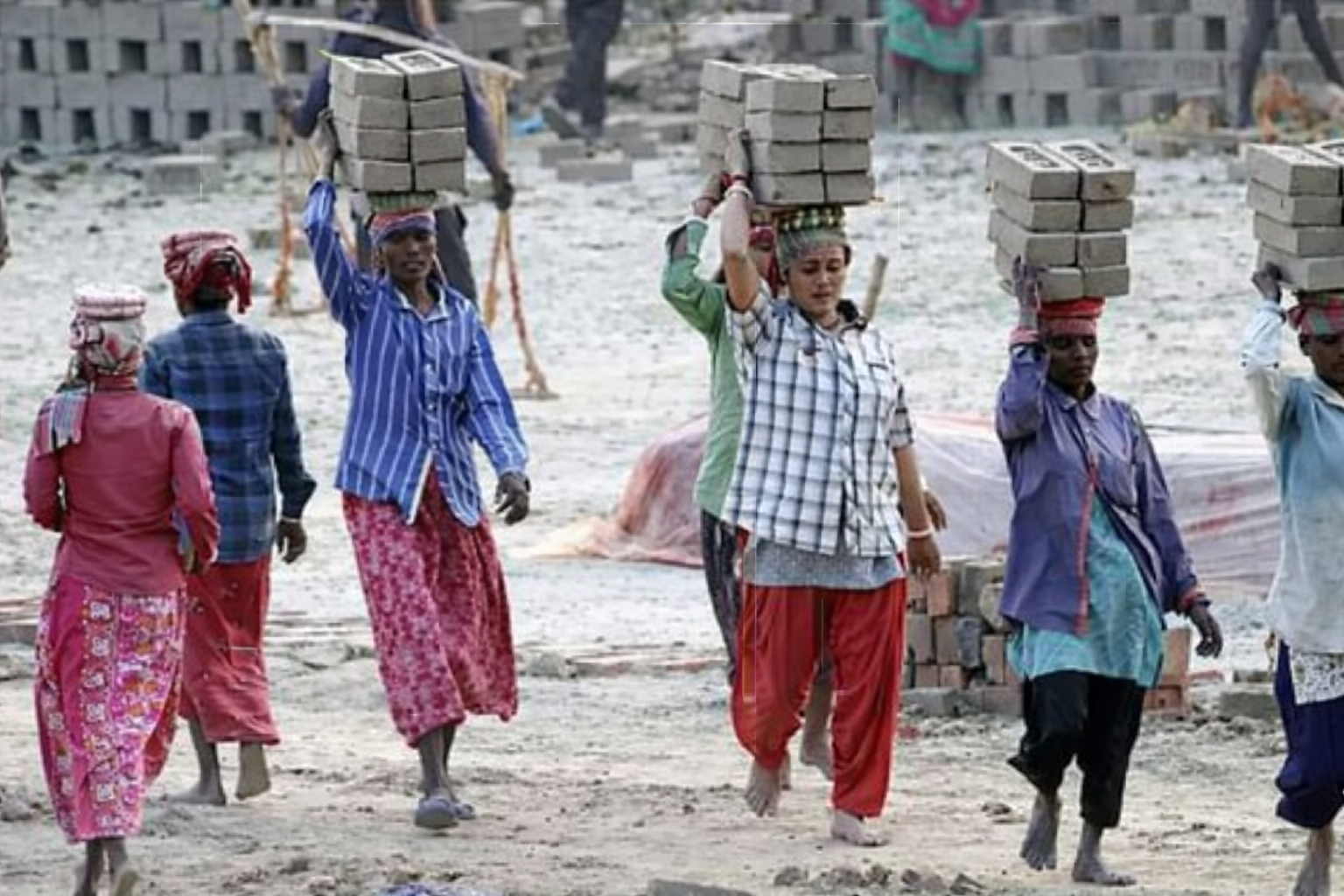
In 2025, the Government of India notified a 4 major labour laws which in turn replaced 29 old labour law. This change has been described by the government as the most significant reform in workplace law in decades, aiming to modernise India’s fragmented legal framework and bring more clarity and coverage to workers and employers alike.
The four codes notified are:
- Code on Wages, 2019 – covers minimum wages, timely payment of wages and bonus rules;
- Industrial Relations Code, 2020 – deals with trade unions, dispute resolution, layoffs and other industrial relations matters;
- Code on Social Security, 2020 – expands social security coverage, including for gig and platform workers;
- Occupational Safety, Health and Working Conditions Code, 2020 – unifies workplace safety, health, hours of work and welfare standard
The four new labour codes bring several important changes:
- Simplification and Consistency: Instead of dozens of separate laws, there are now four unified codes intended to reduce confusion and make compliance easier for businesses.
- Universal Wage Standards: The Code on Wages sets a national minimum wage floor that applies to all workers, regardless of sector, and mandates timely wage payments and overtime pay rules.
- Social Security Expansion: The Code on Social Security officially recognises gig and platform workers, as well as many previously unprotected workers, making them eligible for social security benefits such as provident funds, insurance, and pensions.
- Industrial Relations Changes: The Industrial Relations Code increases the threshold for employer permission before layoffs from 100 to 300 employees and makes fixed-term employment legally recognised.
- Safety and Working Conditions: The Occupational Safety, Health and Working Conditions Code brings uniform safety standards, mandatory health checks for older workers, and clearer employer responsibilities for workplace welfare.
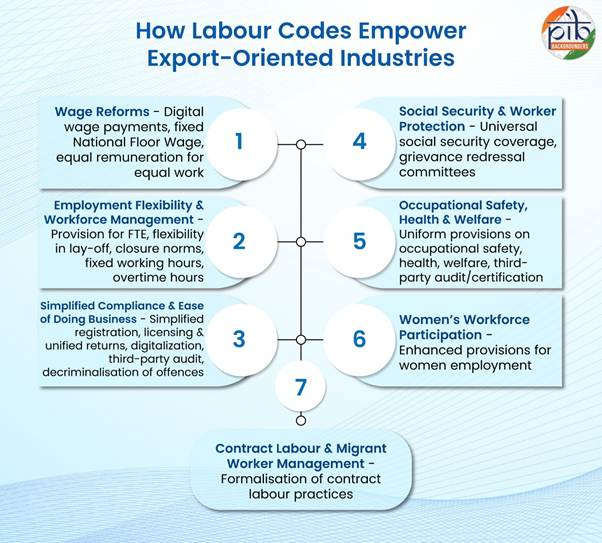
Together, these codes aim to make India’s labour laws more modern, understandable and equipped to deal with today’s diverse forms of work. The reception to the new labour codes has been mixed. On one hand, the government and many economists argue that the reforms will:
- simplify outdated and overlapping regulations,
- expand formal protections to workers previously outside the law,
- and attract investment by making labour compliance easier for businesses.
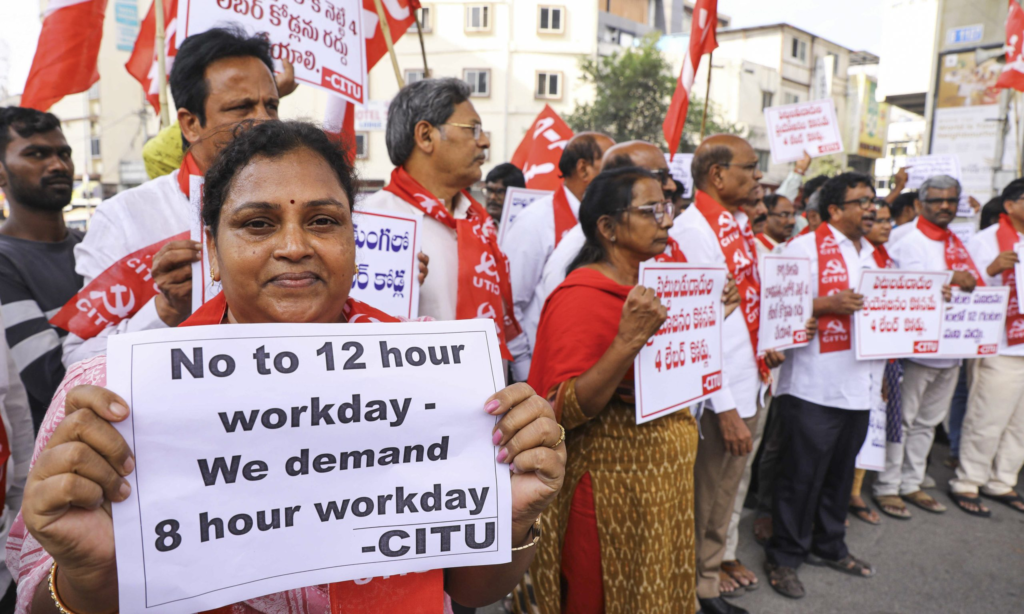
On the other hand; many trade unions, worker groups and political organisations have protested, saying the codes weaken job security and workers’ rights. Several large unions staged rallies in multiple states, arguing that easier layoffs, strict restrictions on strikes and the legalisation of fixed-term contracts favour employers at the cost of workers’ long-term security.
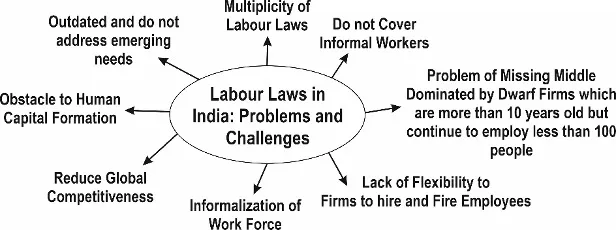
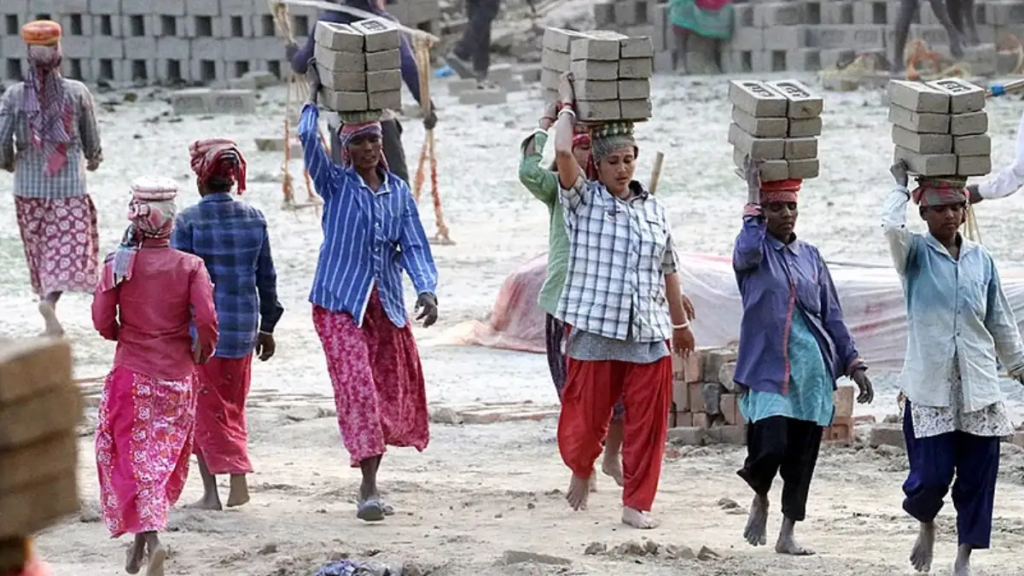
Critics also point out that while the codes talk about universal protections, in practice large sections of workers — especially in small enterprises or truly informal work — still lack meaningful coverage and enforcement. Some have even compared parts of the reform to reducing hard-won labour protections rather than strengthening them.
A core idea behind many labour reforms in India is formalisation — bringing more workers under legal protection and social security nets. Historically, India’s labour market has been characterised by high levels of informality, where more than 90% of workers are outside the formal organised sector. This has meant many labour laws simply never applied to huge parts of the workforce.
Supporters of formalisation argue:
- Legal protection matters: Contractual, gig and platform workers who were previously outside the law can now gain access to basic benefits like provident fund, insurance, and regulated wages.
- Clarity helps workers and employers: Written employment letters, defined wages and uniform safety standards can reduce exploitation and disputes.
- Social security for new categories: Recognising gig and platform workers can be a step toward more inclusive protections in a changing labour market.
At the same time, there are valid concerns that needs careful consideration:
- Informality is not just legal status: Many workers operate in small enterprises or non-traditional jobs where compliance remains difficult. Simply writing them into a law does not guarantee they will enjoy those protections in reality.
- Costs and constraints for small businesses: Stronger rules can increase compliance costs, especially for micro and small enterprises, which may struggle to absorb them without reducing hiring.
- Flexible jobs can be valuable: Not all workers see flexibility as a problem — for some, flexibility in hours and tasks is preferable to rigid full-time commitment, especially in rural areas or seasonal work. A one-size-fits-all push toward formalisation risks overlooking these preferences.
In any discussion on labour reforms, it helps to recognise both the need for greater protection and the risk of unintended effects. On one hand, formal labour protections can give workers more security — access to wages on time, safety standards, social security, and legal recourse. These are important for dignity at work and long-term wellbeing.
On the other hand, overly strict regulation can sometimes make employers hesitant to hire, especially in small businesses that operate on thin margins. When the cost of compliance rises sharply, some firms may respond by automating work, downsizing, or relying more on third-party contractors — ironically pushing work back into forms of informality the reforms seek to reduce.
Moreover, forcing a uniform approach without enough attention to local conditions, worker preferences and enforcement capacity can limit the real impact of formal laws on workers’ day-to-day lives.
In conclusion, India’s new labour codes represent one of the most ambitious attempts in decades to simplify and modernise labour law. They bring some important advances, such as extended social security and uniform standards. At the same time, public reaction shows deep concerns about weakening job security, limiting union rights and the real reach of these protections. The challenge ahead is to implement the reforms in a way that truly benefits workers without unduly squeezing small employers or ignoring the economic realities of a predominantly informal workforce.
*****