


mobin@singhania.com
The Supreme Court bench comprising Chief Justice Surya Kant and Justices Joymalya Bagchi and Vipul M. Pancholi issued notices to the Centre, all State governments, and Union Territories regarding a Public Interest Litigation (PIL) filed by advocate Ashwini Kumar Upadhyay.
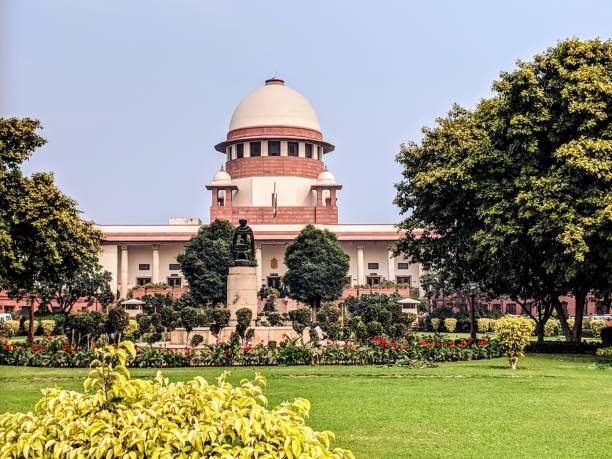
This was a very significant legal development aimed at protecting the “right to life, liberty, and dignity” of innocent citizens. “The problem is when false complaints are lodged… the de facto complainant does not even know that it is filed. It is done by fake signs etc and the poor fellow does not even know that he is being exploited by the rich and well off,” the CJI Surya Kant said.
The petition filed under Article 32 seeks directions to introduce administrative safeguards to prevent false complaints and protect the right to life, liberty and dignity of innocent citizens. The petitioner contends that false complaints, false charges, false statements and fabricated evidence pose a serious threat to the rule of law and fundamental rights. Referring to Chapter XIV of the Bharatiya Nyaya Sanhita, 2023, the petitioner submits that though penal provisions exist to punish false cases, authorities have failed to create any administrative mechanism to prevent misuse of criminal law. According to the petitioner, administrative safeguards such as warnings and affidavits at the stage of filing complaints would help reduce malicious prosecutions and protect innocent persons.
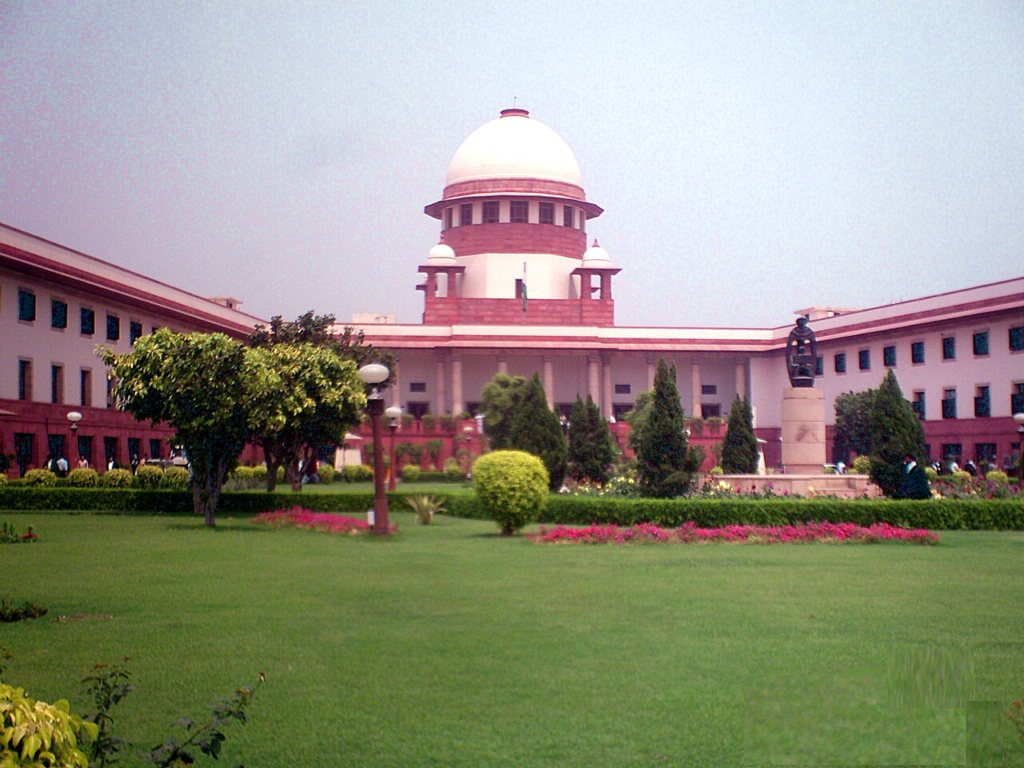

The PIL highlights a growing concern: the misuse of the criminal justice system to settle personal or political scores through fabricated charges and false evidence.
Core Objectives of the PIL
The petition argues that while penal provisions exist to punish false cases, there is a lack of administrative safeguards to prevent them from being filed in the first place. Key demands include:
- Mandatory Display Boards: Installing boards at police stations, courts, panchayat bhawans, and educational institutions. These boards would clearly list the penal consequences (punishments) for filing false complaints or providing fabricated evidence.
- Pre-FIR Sensitization: Requiring authorities to inform complainants about the legal repercussions of lying before an FIR is registered or a statement is recorded.
- Mandatory Affidavits: Requiring complainants to submit a sworn undertaking or affidavit affirming that their allegations are true.
- Consecutive Sentencing: Seeking a declaration that sentences for filing false cases should run consecutively (one after the other) rather than concurrently, to serve as a stronger deterrent.
The Court’s Observations
During the hearing, the Bench emphasized the “Principle of Fraternity” enshrined in the Constitution. The Chief Justice noted that:
- Misuse of the law disturbs the “fabric of rural India,” where civil disputes (like land disagreements) are often given a “criminal color.”
- In some cases, poor or illiterate individuals are “exploited” by having false cases registered in their names without their full knowledge.
- The Court stated that while it might be accused of “gagging” or restricting rights, it must address the “abuse of the criminal process” to protect the innocent.
Why This Matters
The petitioner relied on NCRB (National Crime Records Bureau) data to show that low conviction rates in certain special laws—such as Section 498A (dowry harassment), the SC/ST Act and POCSO are often due to malicious or frivolous prosecutions. The PIL also cited the landmark Nambi Narayanan case to illustrate how a false case can destroy a person’s reputation and career.