

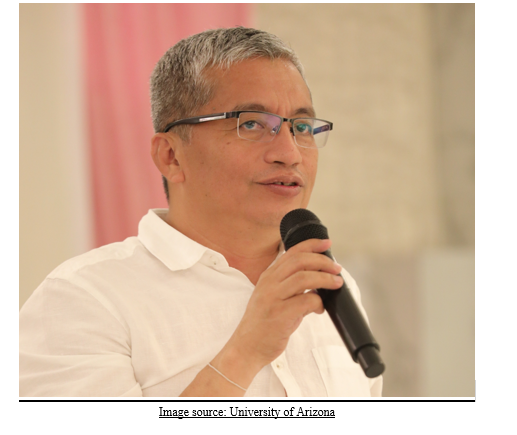
Image source: University of Arizona
The Silent Crisis: Prison Reform and the Mandate of Human Dignity
In a constitutional democracy, the measure of civilization is often found not in how it treats its most prominent citizens, but in how it treats those behind bars. For decades, India’s correctional system has grappled with systemic failures: chronic overcrowding, a lack of medical care, and a slow-moving legal process that leaves thousands of undertrials languishing in cages. However, the recent 2026 judicial landscape bolstered by the landmark case of Suhas Chakma vs. Union of India has signaled a paradigm shift, moving away from punitive storage toward reformative justice.
The Grimmer Reality: Overcrowding and Inhumanity
As of 2026, the state of Indian prisons remains critical. National Crime Records Bureau (NCRB) data indicates a nationwide occupancy rate of approximately 120%, with some states including Madhya Pradesh, Maharashtra, Meghalaya, Uttar Pradesh and Uttarakhand as well as the National Capital Territory of Delhi exceeding 150%. This congestion is not just a logistical hurdle; it is a human rights catastrophe.
When cells designed for ten people hold thirty, the basic requirements of human life—sleep, sanitation, and personal space evaporate. Recent health crises in district jails, such as the spread of infectious skin diseases and respiratory ailments, highlight how easily preventable conditions turn fatal in cramped quarters. Furthermore, the psychological toll of such confinement is immeasurable, often leading to a cycle of violence within the walls that renders “rehabilitation” a distant dream.
The Undertrial Burden
Perhaps the most damning statistic is that nearly 75% of the prison population consists of undertrials. These are individuals not yet convicted of any crime, many of whom belong to marginalized socio-economic backgrounds. Without the financial means to secure bail or the social capital to navigate the legal system, they remain trapped in a state of “pre-trial punishment,” effectively serving sentences for crimes they may never be convicted of.
Landmark Shift: Suhas Chakma vs. Union of India
The case of Suhas Chakma vs. Union of India (Writ Petition Civil No. 1082/2020) serves as a cornerstone for modern prison reform. Originally filed to address the inhumane treatment of prisoners and the systemic lack of legal aid, the Supreme Court utilized this petition to issue sweeping directives that redefine the legal understanding of “custody.”
1. Dignity Beyond the Gates
In its final judgment on February 26, 2026, the Bench—comprising Justices Vikram Nath and Sandeep Mehta—reiterated that Article 21 (Right to Life) does not end at the prison gates. The Court held that incarceration must not “degenerate into inhumanity.” It emphasized that while the state has the right to restrict a prisoner’s movement, it has no right to strip them of their inherent dignity. This includes the right to adequate health care, nutritious food, and communication with the outside world.
2. The Mandate for Open Correctional Institutions (OCIs)
The most significant outcome of the Suhas Chakma case is the aggressive push for Open Prisons. The Court noted a “systemic indifference” toward these facilities, which were found to be vastly underutilized. Unlike traditional “closed” prisons, open prisons rely on trust rather than physical barriers.
- Economic Viability: The Court highlighted a startling fiscal reality: while closed prisons cost the state roughly ₹333 per prisoner/day, open prisons cost only ₹49 per prisoner/day. This is largely due to inmate self-sufficiency and drastically reduced staffing needs.
- Rehabilitative Justice: OCIs allow inmates to live with their families and work in the community during the day. This model significantly reduces recidivism by easing the transition back into society and dismantling the social stigma that usually greets an ex-convict.
3. Gender Parity in Reformation
The judgment also addressed the “structural invisibilization” of women in the penal system. In many states, women were categorically barred from participating in open prison programs due to outdated patriarchal notions of “protection.” The Court ordered an immediate end to this discrimination, directing states to establish dedicated OCI facilities for female inmates to ensure they have the same opportunities for reform as men.
The Path Forward: A High-Powered Committee
To ensure these reforms aren’t merely “paper tigers,” the Supreme Court established a High-Powered Committee to formulate Common Minimum Standards for prison administration across India. These standards cover:
- Uniform Eligibility: Rationalizing the criteria for transfer to open prisons. The Court criticized the arbitrary “14-year rules” and “good conduct” definitions that varied wildly between states, calling for a centralized, objective merit system.
- Legal Aid Clinics: Strengthening Prison Legal Services Clinics (PLACs). The Court mandated that every jail must have a functional clinic staffed by competent lawyers to ensure inmates are aware of their right to free legal counsel under Article 39A.
- Digital Integration: The introduction of e-kiosks within prison complexes to allow prisoners to track their case status and communicate directly with legal aid lawyers without relying on jail staff.
Conclusion: From Warehouse to Hospital
The Suhas Chakma judgment is a clarion call for the Indian state to transition from a “warehouse” model of imprisonment where people are simply stored away to a “hospital” model of correction, where the focus is on curing the social and psychological ills that lead to crime.
The true test of this judgment lies in its implementation by state governments. Without political will and administrative transparency, the “walls” of the traditional prison system will continue to stifle the constitutional promise of reform. However, for the first time in decades, the judiciary has provided a clear, enforceable roadmap. The goal is simple yet profound: to ensure that a prison sentence remains a loss of liberty, not a loss of humanity.
Anshuman Sinha
Intern at Singhania & Co.
2nd Year LL.B from Jitendra Chauhan College Of Law
Reference
- Supreme Court of India, Suhas Chakma vs. Union of India & Ors., Writ Petition (Civil) No. 1082 of 2020 (Judgment dated February 26, 2026; 2026 INSC 198).
- National Crime Records Bureau (NCRB), Prison Statistics India 2024-2025, Ministry of Home Affairs, Government of India.
- Ministry of Home Affairs, Model Prisons and Correctional Services Act, 2023, Government of India.
- Supreme Court Observer, “Reformative Justice in Open Correctional Institutions: Suhas Chakma v. Union of India,” (March 2026).