
India’s Defining Moment : Euthanasia and the Harish Rana Case
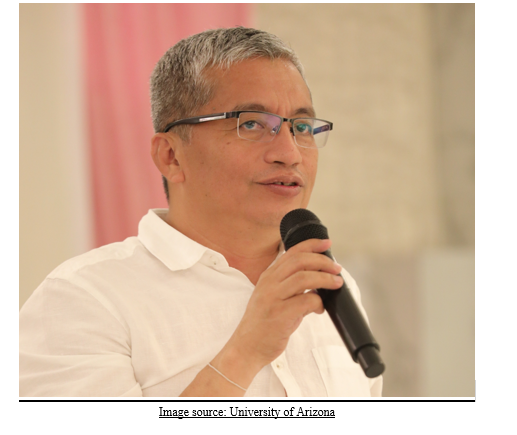
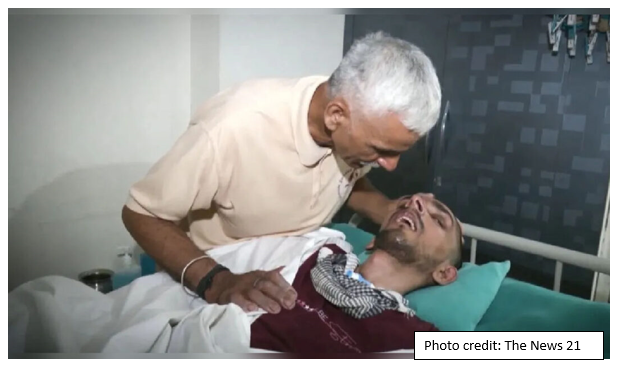
The Harish Rana case represents a turning point in India’s euthanasia jurisprudence, giving real meaning to the constitutional right to die with dignity under Article 21.
The Harish Rana case represents a turning point in India’s euthanasia jurisprudence, giving real meaning to the constitutional right to die with dignity under Article 21.
India’s prisons are facing a silent humanitarian crisis marked by overcrowding, undertrial detention, and systemic neglect. The 2026 Suhas Chakma judgment marks a turning point, reaffirming prisoners’ fundamental rights and pushing for open prisons, legal aid, and dignified reform.
Deepfakes are reshaping the boundaries of truth, free speech, and governance. This article examines their growing misuse in cybercrime, elections, and defamation, while critically analysing India’s constitutional framework under Article 19.
The Supreme Court’s 2025 rule requiring 3 years of practice for Civil Judges is under “intensive review” as of March 2026 due to merit concerns.
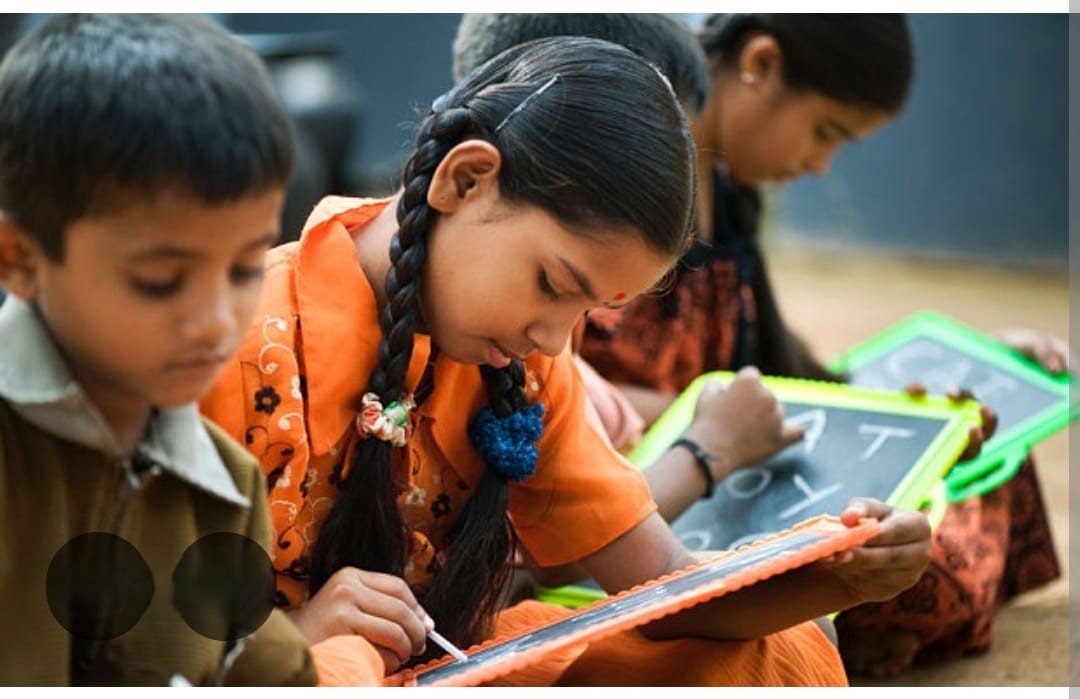
An in-depth legal and social examination of children’s rights in India, highlighting the challenges of child labour, abuse, inequality, and the gap between constitutional protections and ground realities.
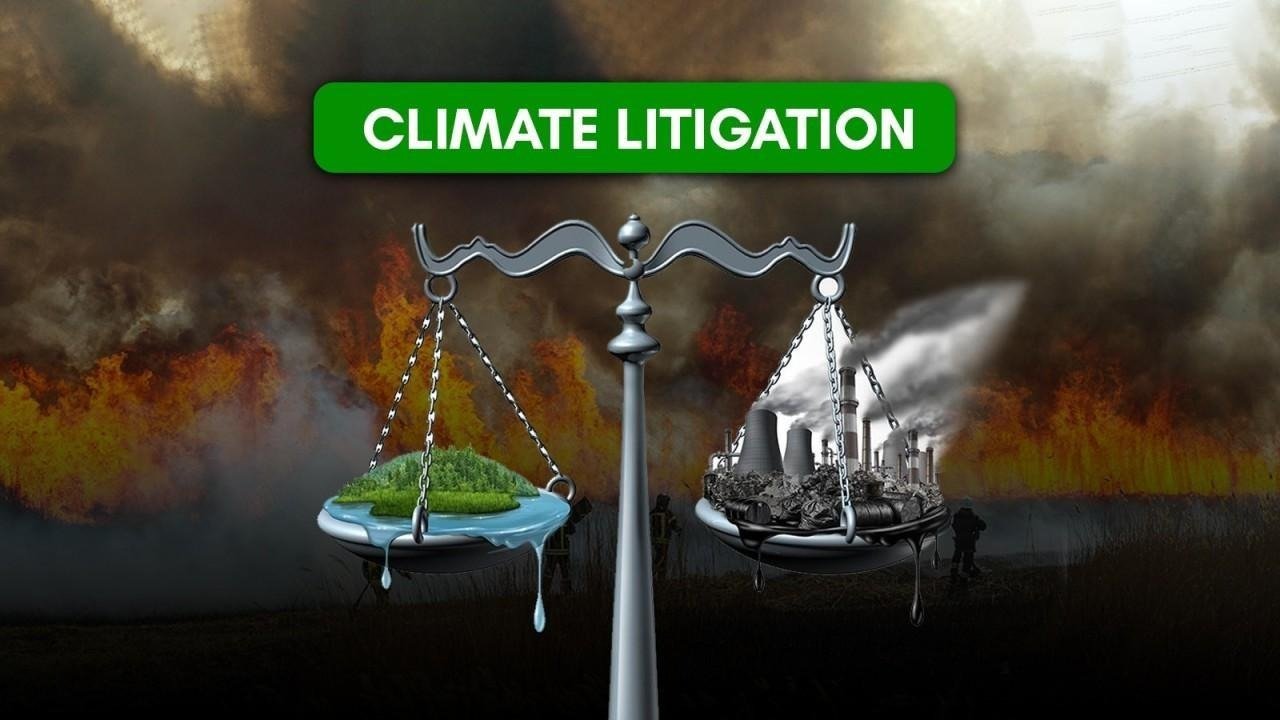
Climate litigation in India uses PIL and constitutional rights to hold governments accountable for environmental protection.
This article examines the legal framework of online gaming in India, focusing on games of skill vs chance and emerging regulations.
India’s digital rise brings data risks. Are criminal laws ready to tackle identity theft, cyber fraud, and privacy violations?
Supreme Court hears PIL seeking safeguards against false complaints and malicious prosecutions to protect life and liberty.
Section 223 BNSS now mandates a pre-cognizance hearing in PMLA complaints filed after July 1, 2024. Supreme Court rulings make non-compliance fatal.